
Functional Suitability Testing for Parenteral Packaging & Delivery Systems
As injectable and combination-product packaging systems become more complex, manufacturers must demonstrate that elastomeric components perform as intended within the final container closure system or delivery system—not simply as standalone materials / components.
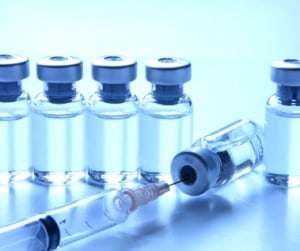
USP General Chapter <382>, “Elastomeric Component Functional Suitability in Parenteral Product Packaging/Delivery Systems,” establishes functional suitability requirements for packaging and delivery systems used with parenteral dosage forms that include primary packaging components made partially or entirely from elastomeric materials. These components may include vial stoppers, syringe plungers, cartridge seals, septa, needle shields, and other elastomeric elements used in systems such as vials, prefilled syringes, cartridges, and related injectable delivery platforms.
What is USP <382>?
USP <382> represents a significant shift from historical USP <381> functionality testing. Rather than evaluating an elastomeric closure in isolation, USP <382> focuses on system-level performance—how the elastomeric component functions in its intended packaging or delivery system configuration and under its expected conditions of use.
Key changes include:
A system-based approach
USP <382> evaluates elastomeric components as an entire container closure or delivery system. This means testing should reflect the actual intended use, including the container, closure, delivery mechanism, product configuration, and user interaction.
Transition of functional testing away from USP <381>
USP <381> continues to address aspects such as physicochemical and biological requirements, while USP <382> provides the updated framework for functional suitability of elastomeric components in parenteral packaging and delivery systems.
Risk-based, use-case-driven acceptance criteria
Because performance requirements can vary by drug product, delivery system, and intended use, acceptance criteria often need to be scientifically justified by the manufacturer based on product risk, system design, and use conditions.
Effective compliance date
USP <382> became official on December 1, 2025, making it an important consideration for injectable drug products and parenteral packaging or delivery systems containing elastomeric components.
Why USP <382> Testing Matters?
Elastomeric closures are critical to product quality, sterility assurance, container closure integrity, and reliable drug access. USP <382> helps manufacturers demonstrate that these components are fit for use within the final packaging or delivery system, supporting patient safety and regulatory confidence for injectable therapies, biologics, prefilled syringes, cartridges, and other parenteral products.
Partner with DDL for USP <382> Testing
DDL offers USP <382> elastomer closure testing in our cGMP FDA Registered laboratory in Minnetonka, MN. With more than 35 years of testing expertise, DDL can help develop and execute test programs aligned with your product configuration, intended use, risk assessment, and regulatory strategy.
Ready to discuss USP <382> testing?
Contact DDL to speak with a testing expert or request a quote for your parenteral packaging or delivery system.


